 Arveno Growth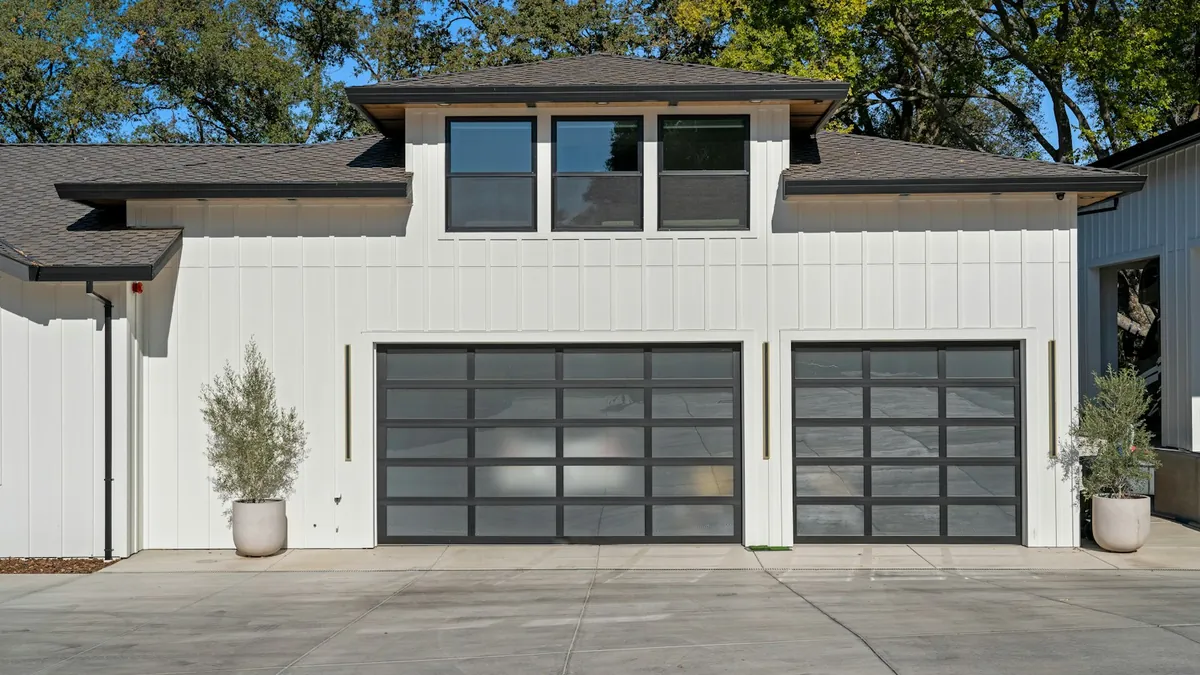
Garage-door marketing combines urgent repair searches with planned replacement decisions. Those customers need different pages and response paths. The plan should reflect real technician coverage, hours, inventory, and job economics.
Make urgent service easy to act on
Keep the phone action visible on mobile, state real operating hours, describe service coverage accurately, and explain what information helps the dispatcher route the call. Do not advertise response windows the team cannot consistently meet.
Separate repairs from replacements
Create focused information for broken springs, openers, new doors, and commercial work when each deserves a different message. Show real installations and verified product details, with permission.
Follow the call to a completed job
Track answered calls and forms through scheduled visits, completed work, revenue, and margin where records allow. Use missed-call follow-up and consistent status labels so campaign decisions reflect jobs, not just clicks.
Separate an urgent repair from a planned replacement
Someone with a door that will not open needs to understand availability, service coverage, and how to reach a person. Someone comparing a new insulated door needs product choices, installation details, and an estimate process. Sending both visitors to the same vague page makes the business harder to evaluate. We organize campaigns and page content around the job the customer is trying to arrange.
Repair pages should name the problems your technicians assess without encouraging homeowners to attempt dangerous mechanical work. Replacement pages can explain materials, design choices, opener compatibility, removal of an old door, and what happens during a measurement visit. Only advertise emergency or same-day availability when your dispatch team can consistently support that promise in the advertised area.
Give dispatch the information needed to respond
A useful first enquiry includes a phone number, location, a short description of the problem, and whether the customer needs repair or replacement. Your team can then confirm access, timing, and the appropriate appointment. Keep the public form short enough to use while standing in a driveway. Do not require a customer to identify a failed component before they can ask for help.
Use clear confirmation messages so people know whether they have requested a callback or secured an appointment. An automated acknowledgement must not imply that a technician has been dispatched. For after-hours enquiries, state when a person will review the request and route urgent calls according to your actual operating process.
Keep paid search focused on serviceable work
Review the search terms behind enquiries, not just the number of clicks. Product manuals, replacement parts, do-it-yourself instructions, and employment searches may be poor fits for a service campaign. Some product searches can also represent a genuine installation customer, so exclusions should follow the business model rather than a blanket rule.
Territory deserves the same attention. A distant repair may consume more travel time than the job can support, while a planned installation could justify a wider service area. Set boundaries by service and capacity where the account structure allows. Explain those boundaries clearly on the website so customers do not have to call simply to learn that you cannot reach them.
Measure appointments, completed jobs, and margin
Record which enquiries became booked visits, whether the customer kept the appointment, and what work was completed. Separate existing-customer service calls from new customer acquisition when assessing campaign performance. Replacement revenue should not disguise weak repair profitability, and a busy phone should not be mistaken for a full installation calendar.
Our lead tracking service helps make those distinctions visible. During a free audit, we look for the clearest improvement: a better repair page, a more accurate service area, a cleaner conversion definition, or a follow-up process that gives useful enquiries an owner.
Build a plan around the work you want.
Share your services, territory, and goals. We’ll review your current marketing and recommend practical next steps.
See my growth options ↗