 Arveno Growth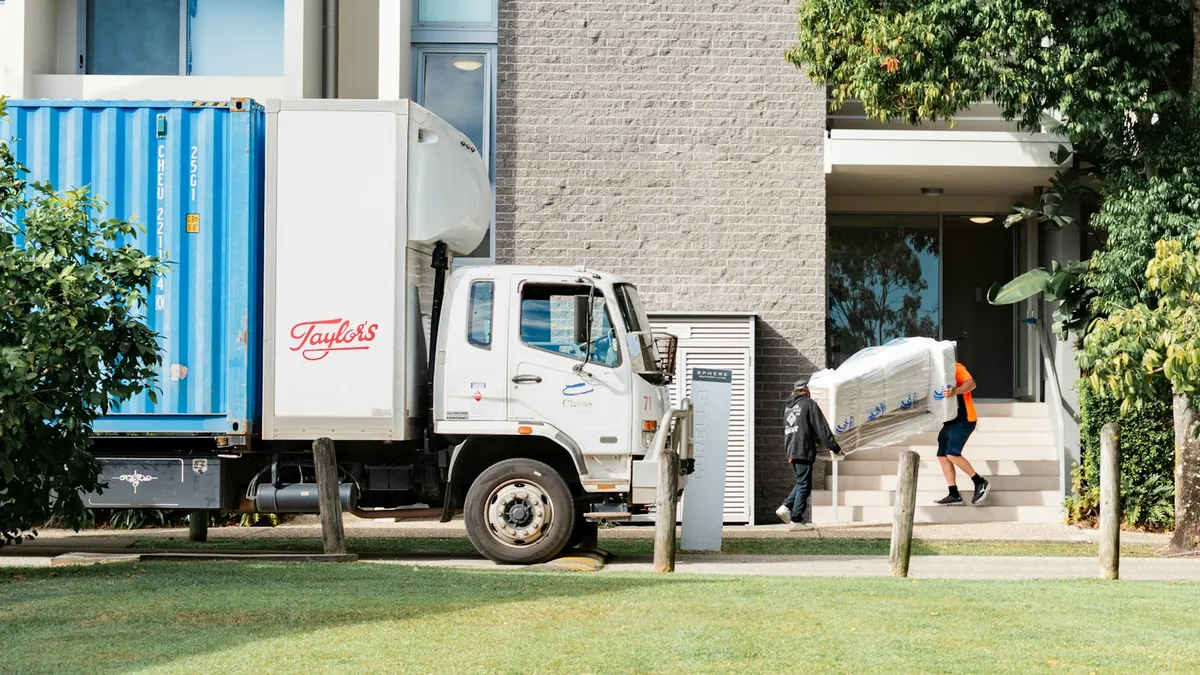
Junk-removal enquiries can range from a single item to a full property cleanout. Clear service boundaries, availability, access requirements, disposal practices, and territory help customers self-select and help crews prepare.
Describe accepted materials and job scope
Explain the work you take on, any exclusions, how volume is estimated, and what can change a quote. Use real, permitted vehicle and project photos to show how the service works.
Match pages to customer intent
Residential cleanouts, renovation debris, commercial hauling, and single-item removal may have different search intent and job economics. Separate them when there is enough distinct information to help a customer choose.
Track booked and completed work
Measure calls, quote requests, scheduled pickups, completed jobs, average ticket, and contribution where available. Improve the response process and campaign mix together so marketing does not create jobs the operation cannot fulfill.
Make the first quote conversation practical
A customer arranging a cleanout often wants to know what you take, how pricing works, and how quickly the space can be cleared. Explain your accepted items and exclusions in plain language. If the final price depends on volume, weight, access, or disposal requirements, describe those factors before the customer books. Do not turn a starting price into an apparent promise for every load.
Separate a single-item pickup from an estate cleanout, construction debris removal, and recurring commercial work. These jobs involve different scheduling, loading, and disposal considerations. A short enquiry can ask for the location, the items involved, and preferred timing. If photographs help your team estimate, explain how to send them after the initial contact rather than requiring a lengthy form.
Match advertising to truck capacity and route economics
More bookings are only useful if the route remains workable. A small pickup far outside the normal territory can use time needed for several nearby jobs. We discuss service boundaries, minimum job size, and available trucks before recommending campaign priorities. The website should reflect the areas and pickup windows your operation can actually support.
Review lead quality by job type as well as campaign. A property manager arranging repeat work is different from a household requesting a one-time collection. Neither should be valued using assumptions borrowed from the other. Track the completed job amount and direct costs where records allow, and keep future repeat revenue separate until that work happens.
Show responsible handling without unsupported claims
Customers may ask what happens to reusable items, appliances, or materials that cannot go into an ordinary load. Describe your actual process and the limits of your service. Avoid broad promises that everything is donated or recycled unless you can demonstrate that outcome. Local disposal arrangements and accepted materials can change, so assign someone to keep this information current.
Real photographs of your vehicles, team, and completed cleanouts can help explain the service. Obtain permission before showing a customer's property or belongings, and avoid including identifying information. A caption describing the scope is more useful than a generic claim about being the best company in every city.
Find the point where good enquiries are lost
If people ask for quotes but do not book, inspect the response process before increasing the ad budget. Were they given a clear next step? Did someone explain the price factors? Was the offered pickup window realistic? Record decline reasons consistently so the business can distinguish price concerns from scheduling problems or jobs outside its scope.
Our AI and workflow services can help route enquiries and remind staff about unfinished follow-up, with a person responsible for pricing and exceptions. Start with a free growth audit to review the website, campaign focus, and booking process together.
Build a plan around the work you want.
Share your services, territory, and goals. We’ll review your current marketing and recommend practical next steps.
See my growth options ↗